Understanding the Impact of Game Mechanics
In the world of tabletop gaming, understanding the mechanics behind each game can significantly enhance the enjoyment and engagement for adult players. This article explores how different game mechanics influence player experience and strategies, particularly for those in the 40-60 age group.
Understanding the Basics of Game Mechanics
Game mechanics are the rules and systems that govern gameplay, influencing how players interact with each other and the game itself. According to experts in game design, mechanics often fall into categories such as resource management, player interaction, and role-playing elements. Understanding these categories can deepen one's appreciation for a game, as well as impact strategy and enjoyment.

"Game mechanics are essential in shaping the player experience, providing both challenges and rewards that can enhance engagement."
The Role of Interaction in Game Mechanics
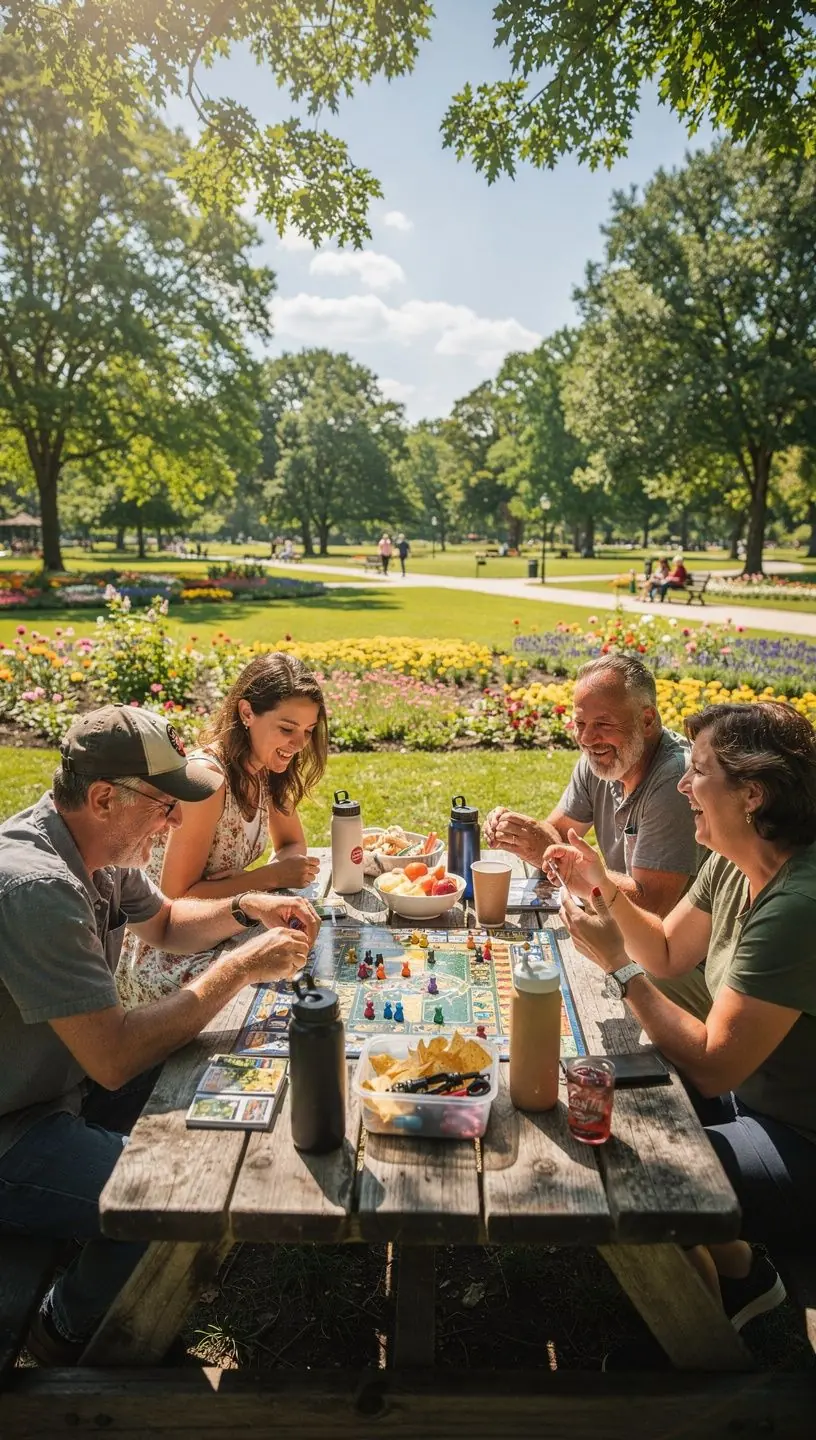
Many tabletop games promote social interaction, which can be particularly beneficial for players aged 40-60, who often seek meaningful connections during gameplay. Research indicates that games incorporating cooperative mechanics—where players work together towards a common goal—can foster stronger social bonds and increase overall satisfaction. This is especially relevant in club settings where players regularly meet.
Common Game Mechanics and Their Effects
Here are some popular mechanics found in tabletop games, along with their potential impact on players:
- Resource Management: Players must effectively allocate resources to succeed. This typically requires strategic planning and can enhance critical thinking skills.
- Variable Player Powers: Each player has unique abilities. This diversity can lead to varied strategies and keeps gameplay fresh, appealing to many players who enjoy exploring different roles.
- Endgame Conditions: Games that feature multiple paths to victory can keep players engaged, as they often have to adapt their strategies based on opponents' actions.
Practical Implications for Game Night
When organizing game nights, consider the following to enhance player experience:
- Choose games that promote interaction: Games that rely on cooperation or negotiation can be particularly fulfilling in social settings.
- Be mindful of complexity: While complex games can be rewarding, they may require a steeper learning curve. Choose games that match the experience level of your group.
- Encourage feedback: After each game, gather insights from players about what worked and what didn’t. This can help tailor future selections to the group's preferences.
Conclusion
Understanding game mechanics not only enhances your gameplay experience but also enriches the social dynamics within your infraone.site club. By choosing games wisely and fostering an environment for open dialogue, you can create a more enjoyable and engaging atmosphere for all participants. Remember that the best experiences often arise from balance—between challenge and fun, strategy and spontaneity.